

Vegan Pasta Soup à la Italian Pastina
A recipe by Julia Justus
I keep thinking back to what it was like being sick as a kid. Wrapped up in a blanket, I'd lie on the sofa and enjoy a few special privileges: sometimes I was even allowed to eat on said sofa and watch way more TV than usual. Kind of lovely, and so different from today — these days, I'm either so sick that reading in bed isn't even an option, or already feeling well enough that I barely let myself rest and figure that doing a bit of work on my laptop is totally fine. The one thing that has stayed the same, though, is what I want to eat when I'm under the weather: Zwieback dipped in hot tea, and a bowl of noodle soup. Depending on how sick I am, that ranges anywhere from a packet of alphabet or star-shaped soup to a homemade noodle soup from scratch. And that's exactly how I stumbled upon pastina — the Italian version of just that.
What Is Pastina Soup and Why Is It Called "Italian Penicillin"?
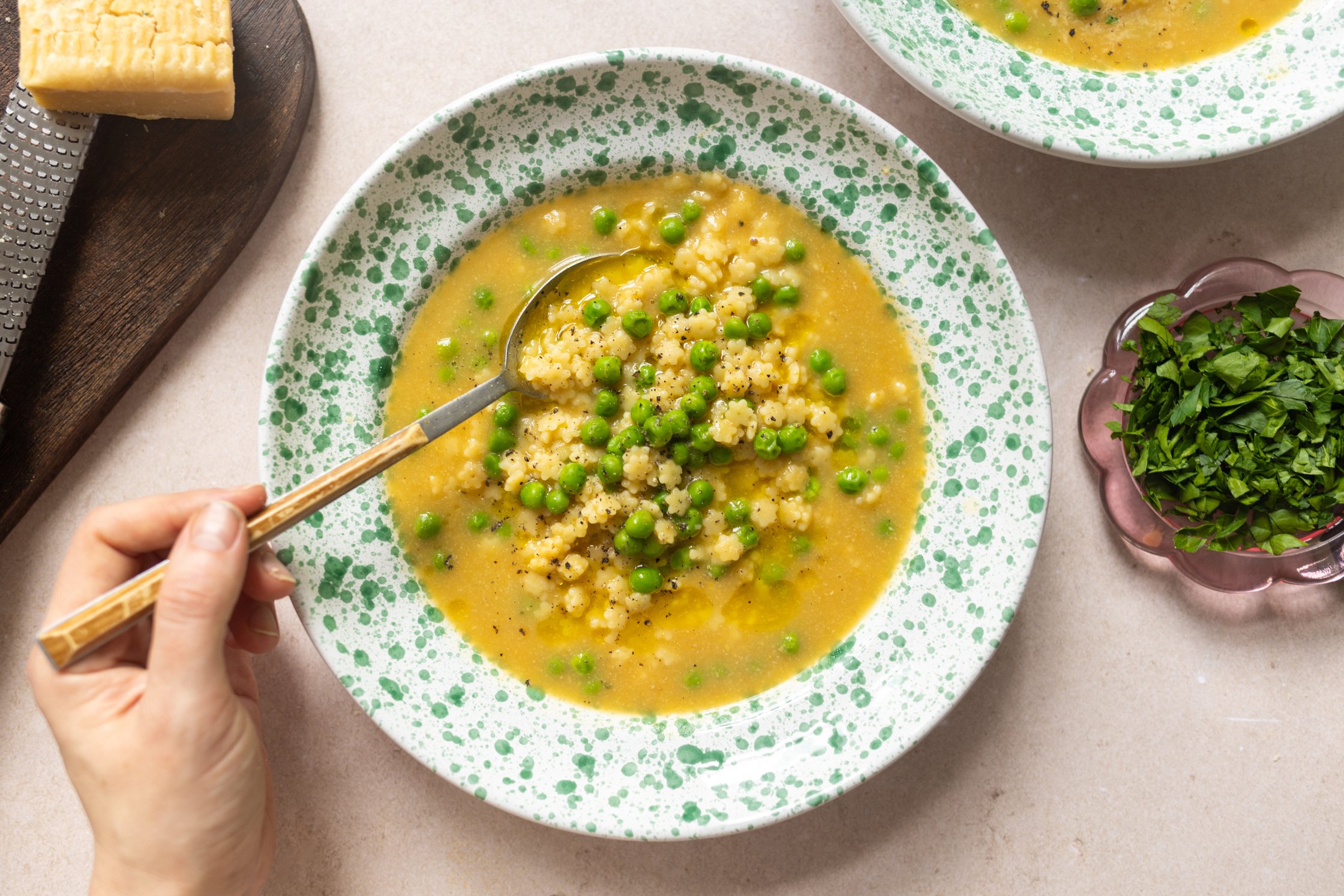
Pastina soup is what Italian (grand)parents make for their (grand)children when they're feeling sick: a lightly creamy, soothing broth with tiny little pasta that Italians call "pastina." The name is the diminutive of pasta and simply means "little pasta." In Italy, pastina soup is pure comfort food — much like alphabet soup or chicken noodle soup is for us. Traditionally, it's made with chicken broth, tiny pasta, Parmesan, and an egg, and is considered the ultimate home remedy for colds, stomach aches, or just general not-feeling-great-ness. That's why it's lovingly nicknamed "Italian penicillin." For our vegan version, we use vegetable broth and swap the Parmesan for nutritional yeast.
What Makes This Soup so Special (and Healthy)?
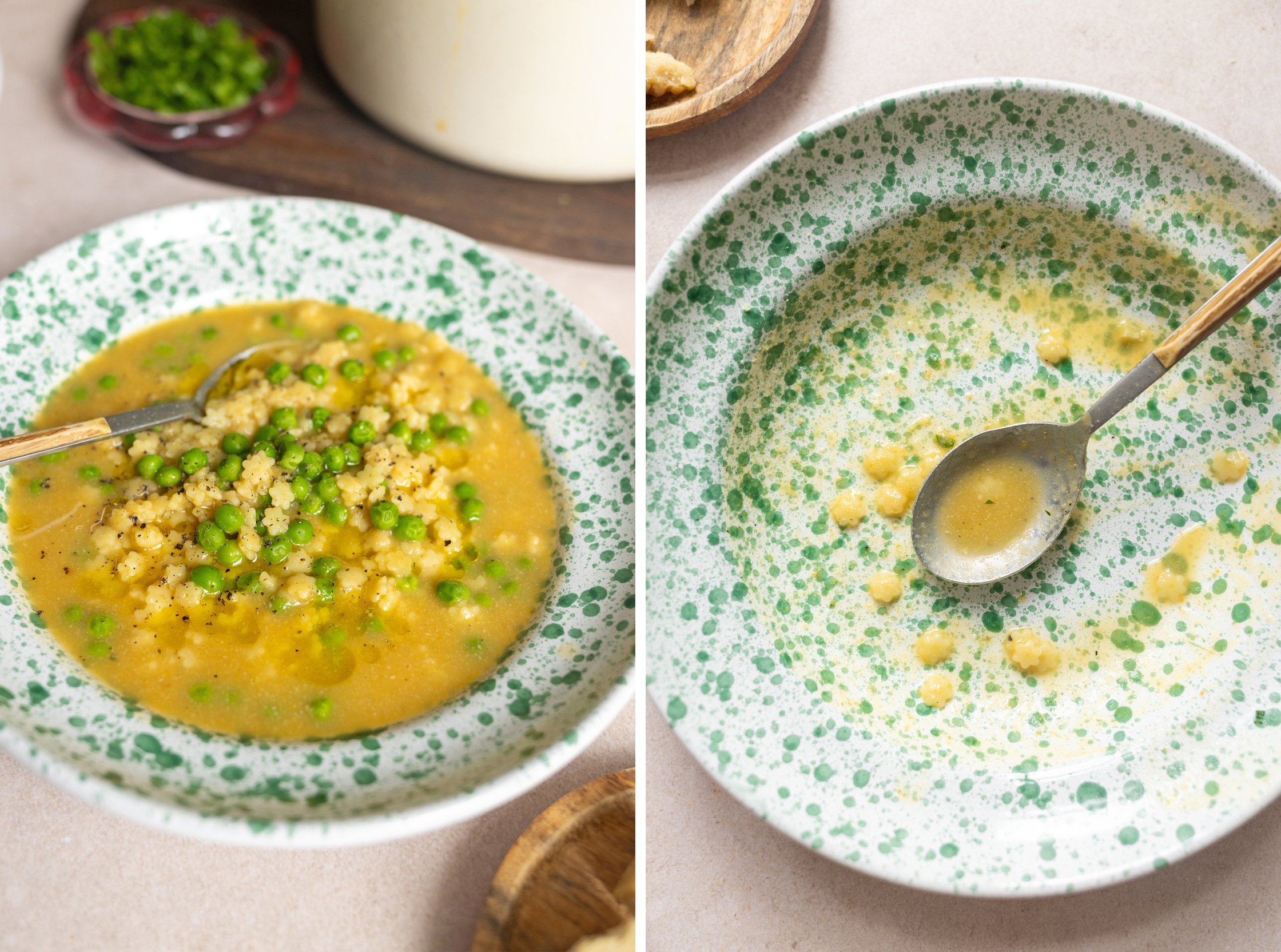
The secret to pastina soup lies in the blended vegetables. They're first gently cooked in the broth, then removed and blended until smooth. The creamy vegetable blend is then stirred back into the broth, giving the soup a wonderfully velvety consistency. When we tested this in the office, opinions were divided — some preferred it on the creamier side, others liked it more broth-like. So feel free to go with your own preference and simply add more water until the consistency is just right for you.
Which Pasta Works Best for This Soup?
Pastina comes in all sorts of shapes — stars, letters, shells, you name it. In theory, any vegan soup pasta will do the trick. That said, it's not always that simple, since many soup pastas contain eggs. In larger supermarkets, health food stores, and Turkish grocery stores, though, you'll almost always find a vegan option. Alternatively, orzo (which looks just like tiny grains of rice) works great too.
Which Vegetables Work Best?
Pretty much any vegetables you have lying around in your kitchen will do here. The most classic choices are onion, garlic, celery, and carrots, but zucchini, leek, potatoes, celeriac, parsnips, broccoli, or spinach all work beautifully too.
Craving More Noodle Soups?
If you're still under the weather after this one, why not try our other recipes for a vegan noodle soup with veggies, a vegan rice noodle soup, or vegan Tantan Ramen.
Vegan Pasta Soup à la Italian Pastina
Ingredients
For the soup:
2 onions
3 garlic cloves
200 g (7 oz) carrots
2 celery stalks
1 small zucchini
1.5 l (6.25 cups) vegetable broth
3 tbsp nutritional yeast (optional)
250 g (8.75 oz) vegan soup pasta (e.g. star-shaped pasta, alphabet pasta, or orzo)
100 g (3.5 oz) frozen peas
salt
pepper
For Serving:
olive oil
fresh parsley
Instructions
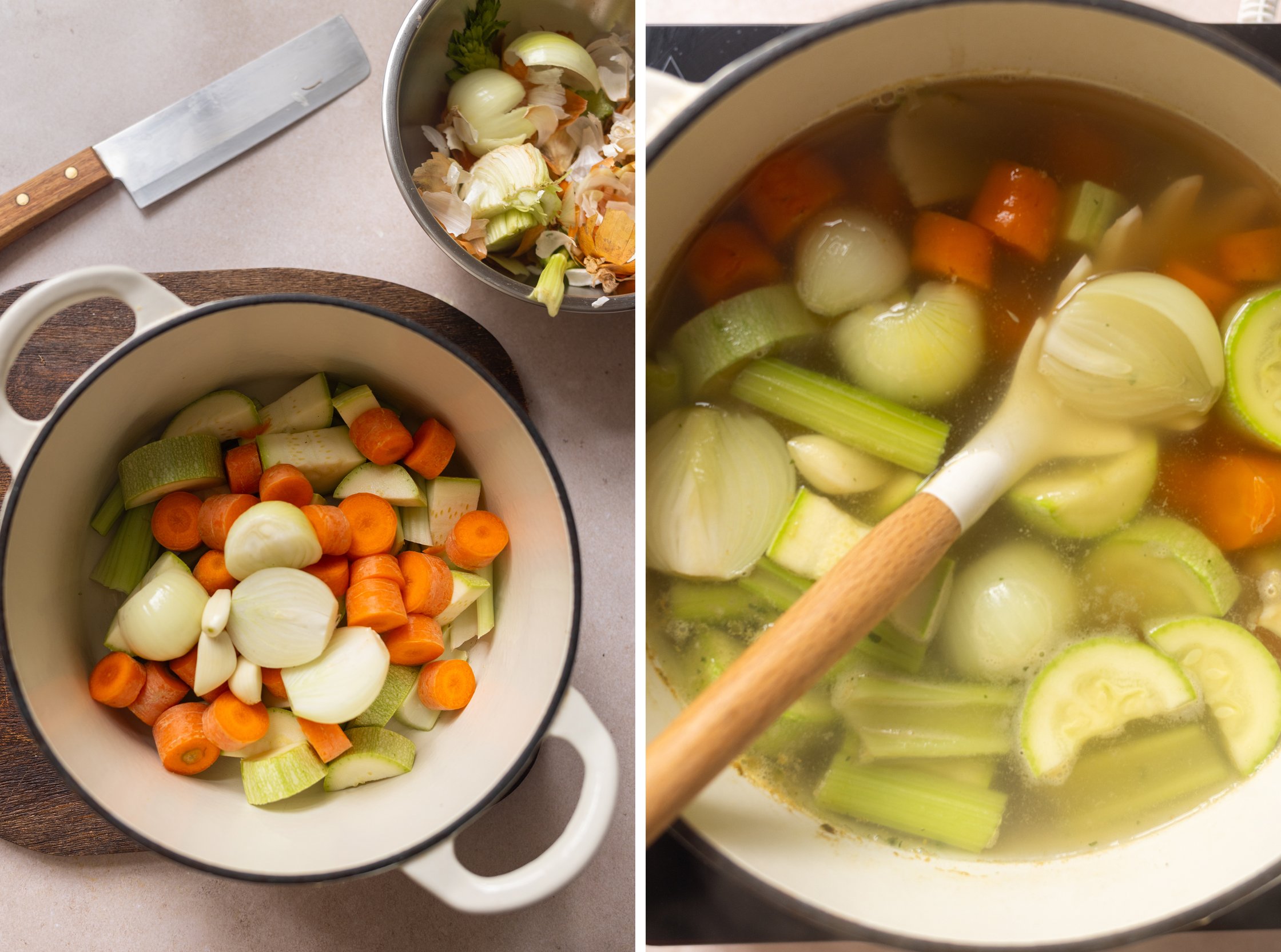
Peel onions, garlic, and optionally carrots and zucchini, then cut into larger pieces along with the celery stalks.
Add vegetable broth to a pot, add the cut vegetables, season with salt, and bring to a boil. Cover and let simmer over medium heat for approx. 20 minutes.
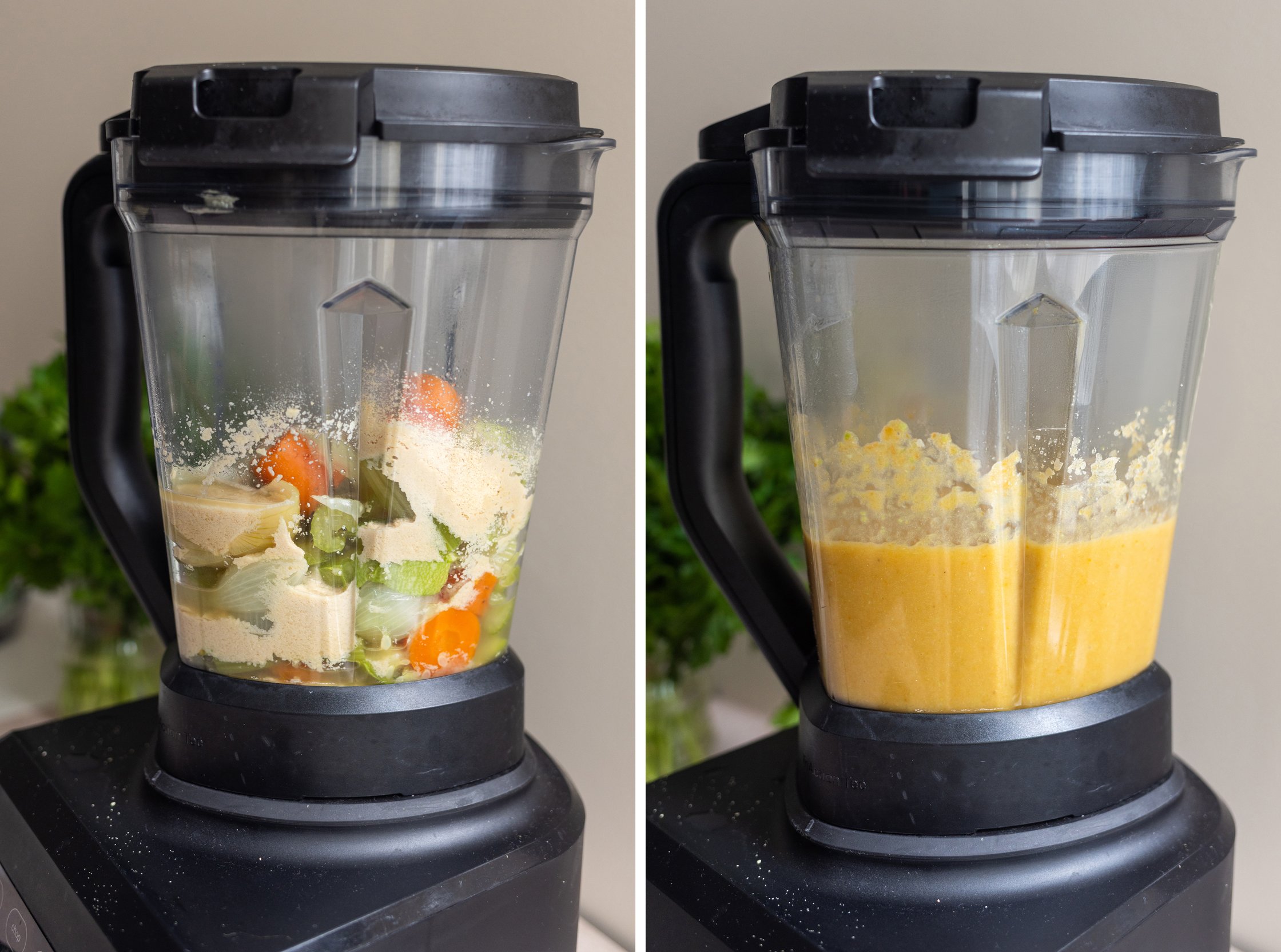
Remove the vegetables with a ladle and transfer to a blender together with one ladleful of the cooking liquid and the nutritional yeast. Blend until smooth, or use an immersion blender directly in the pot.
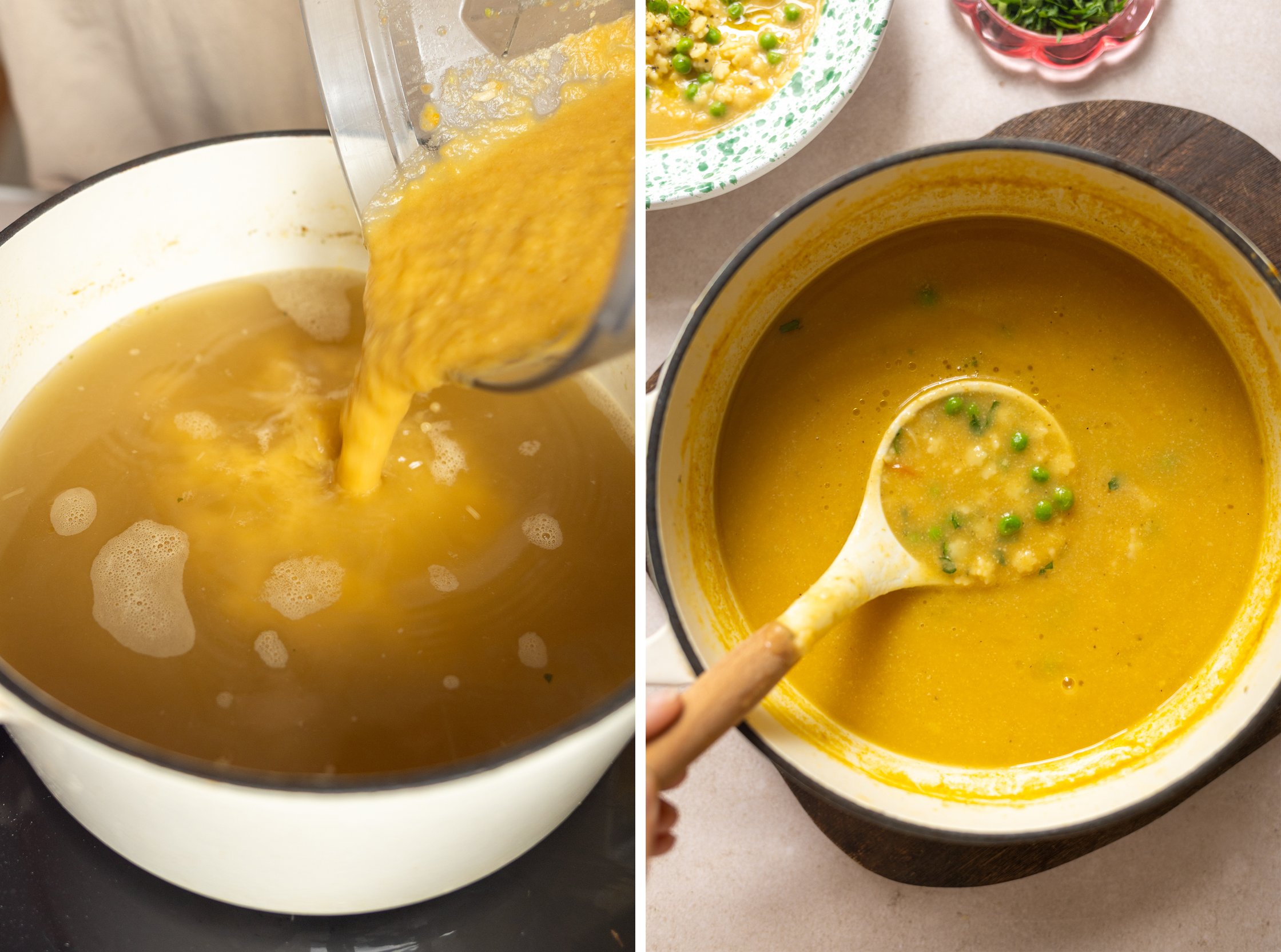
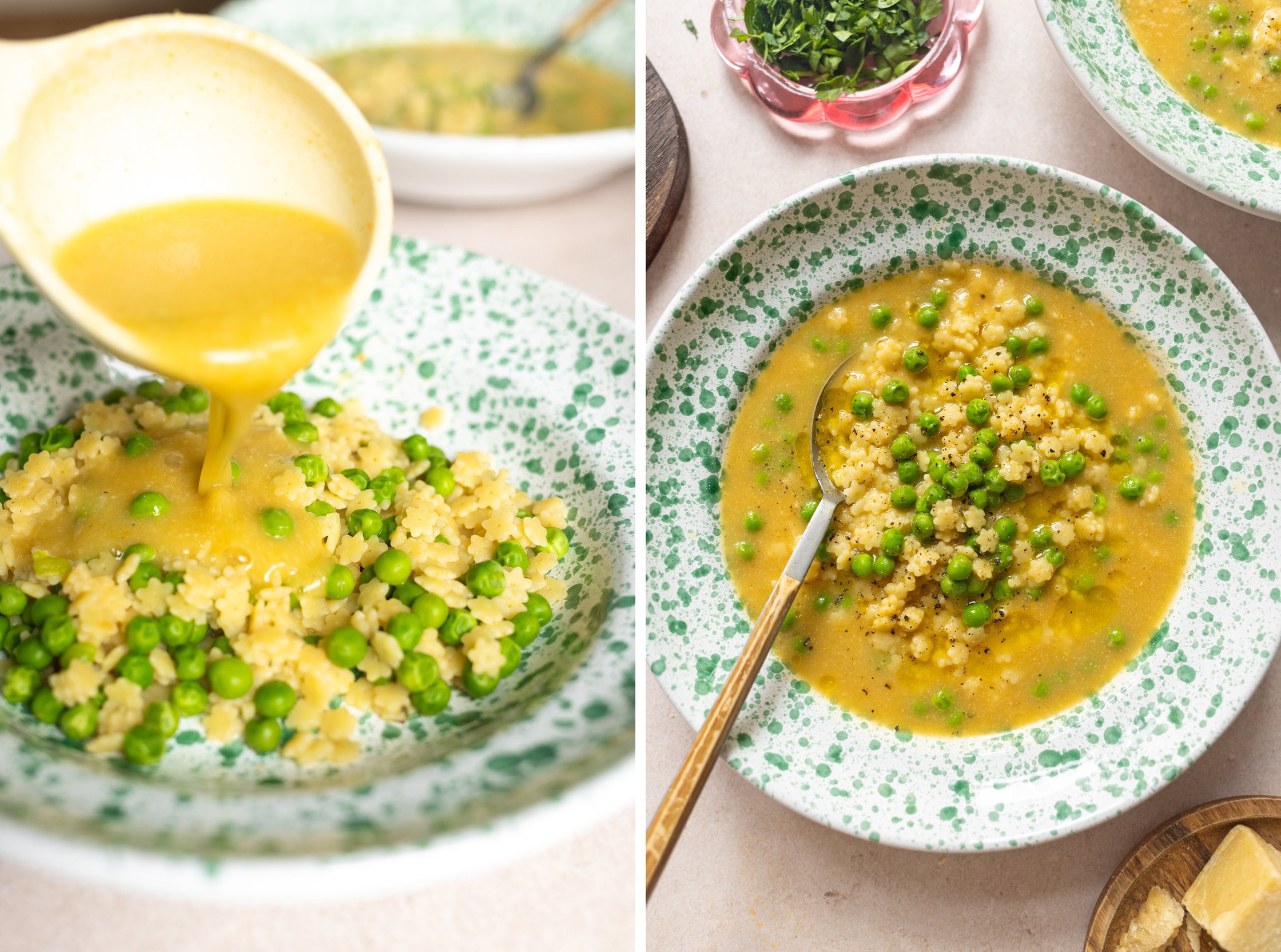
Add the blended vegetable mixture back to the pot and bring to a boil again. Add the vegan soup pasta and frozen peas and cook until the pasta is al dente. Add more broth or water as needed if the soup is too creamy.
Season the soup with salt, pepper, and nutritional yeast to taste before serving. Top with olive oil and chopped parsley.
Comments
More Easy Vegan Recipes For Beginners
Ad
Vegan Pasta Salad with Mayo Dressing
Crispy Smashed Potato Salad with Asparagus and Vegan Honey Mustard Dressing
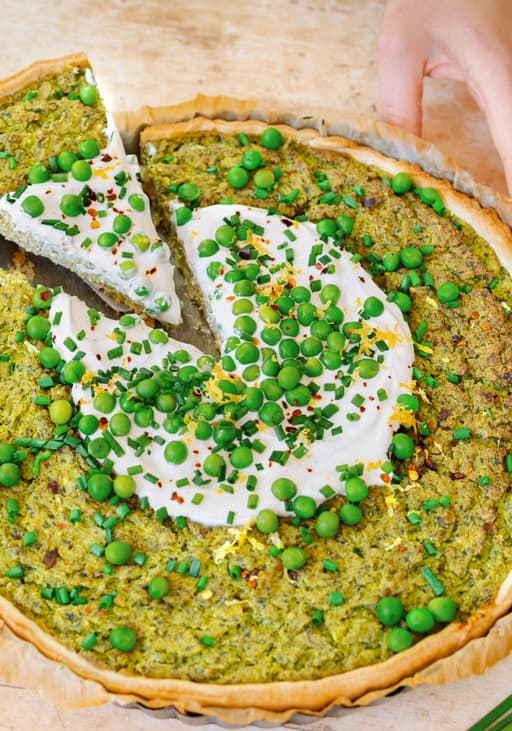
Vegan Quiche with Peas, Spinach, and Herbs
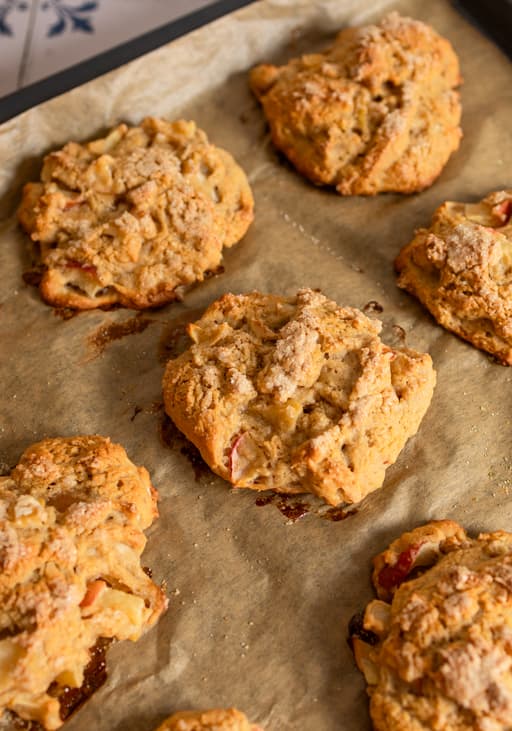
Vegan Sheetpan Apple Bites
Ad
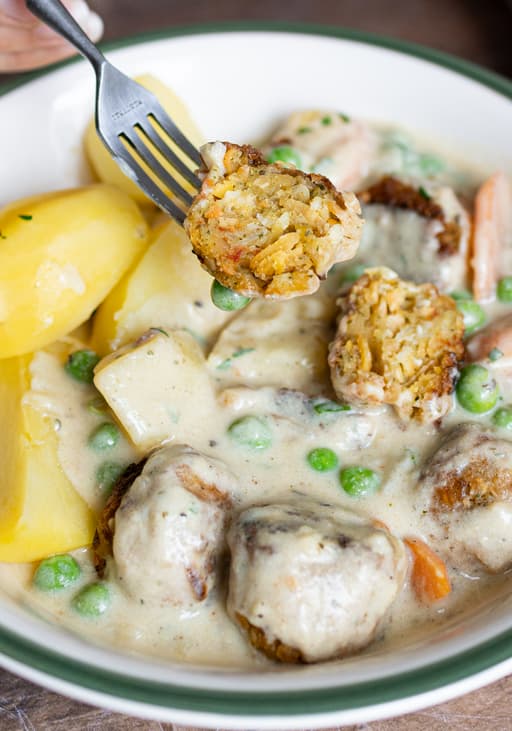
Vegan Viking Pot (Meatballs with peas and carrots in creamy sauce)
Ad
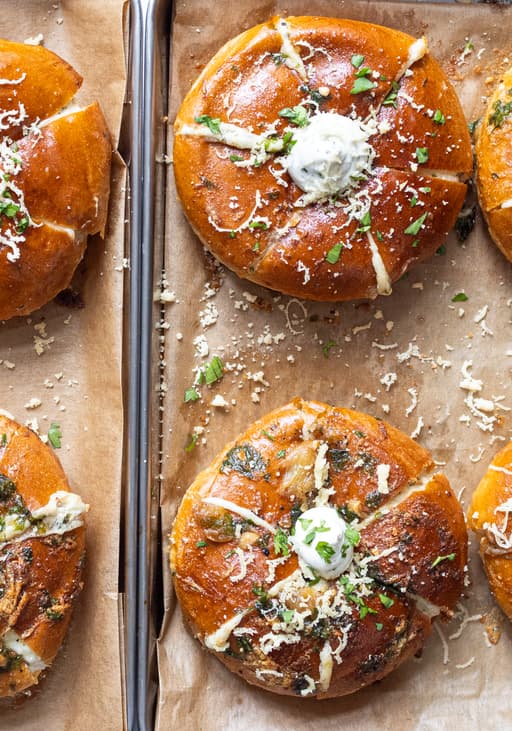
Vegan Cream Cheese Rolls with Garlic Butter
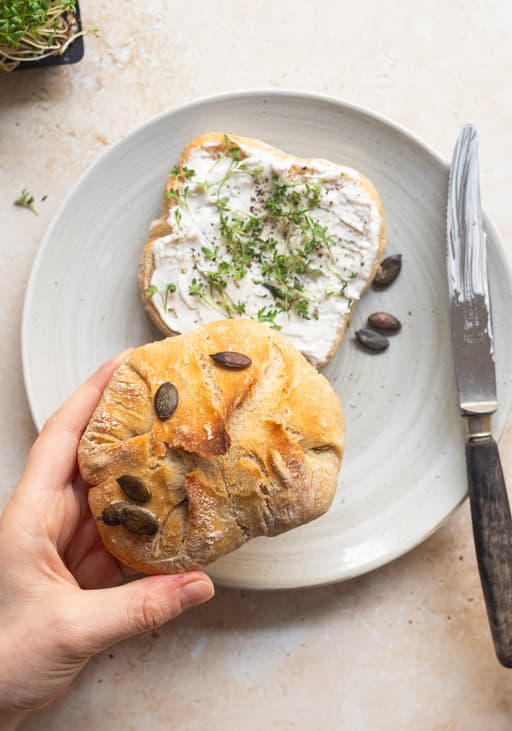
Easy Sunday Rolls
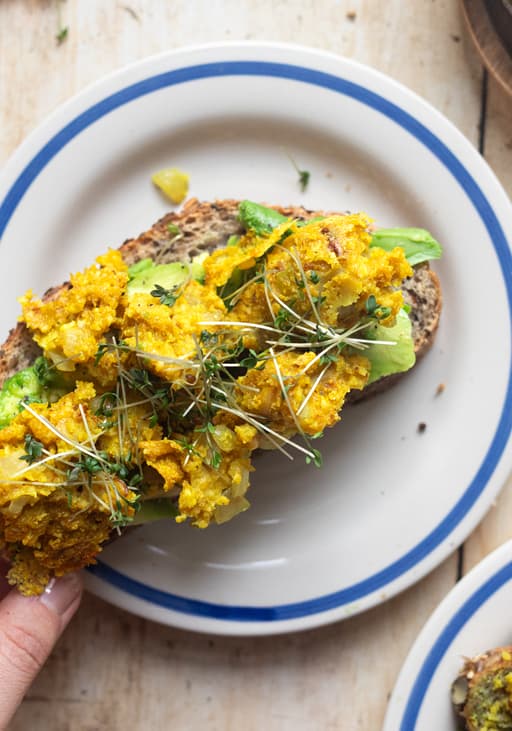
Vegan Scrambled Eggs without Tofu (soy free)
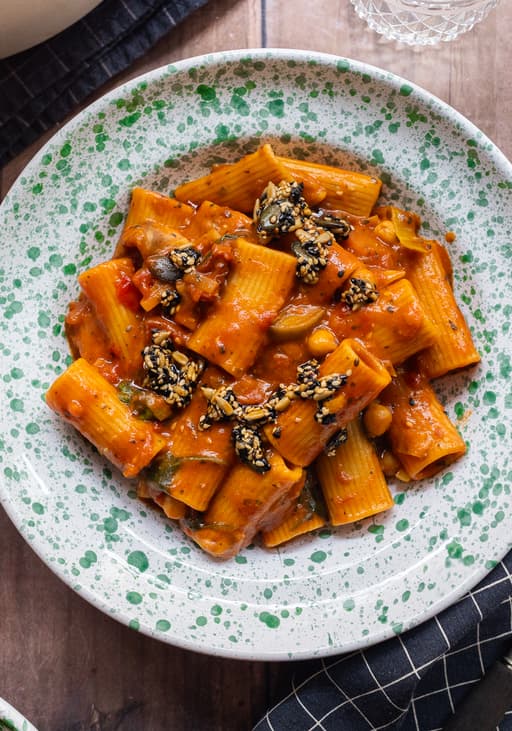
Vegan One-Pot Pasta à la Ceci
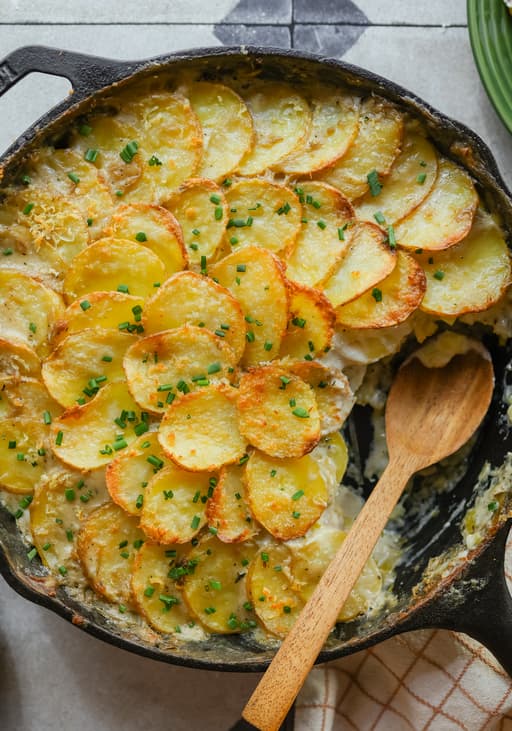
Vegan Potato and Leek Bake
Recent Recipes
Ad
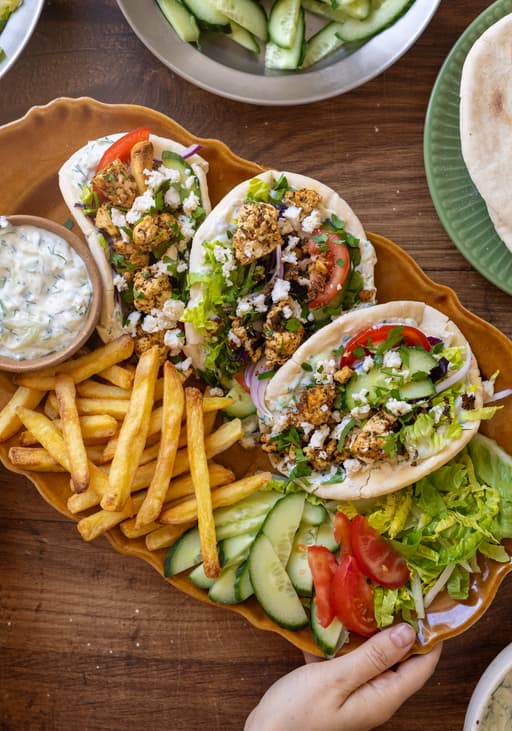
Tofu Gyros Pita with Homemade Vegan Tzatziki
Ad
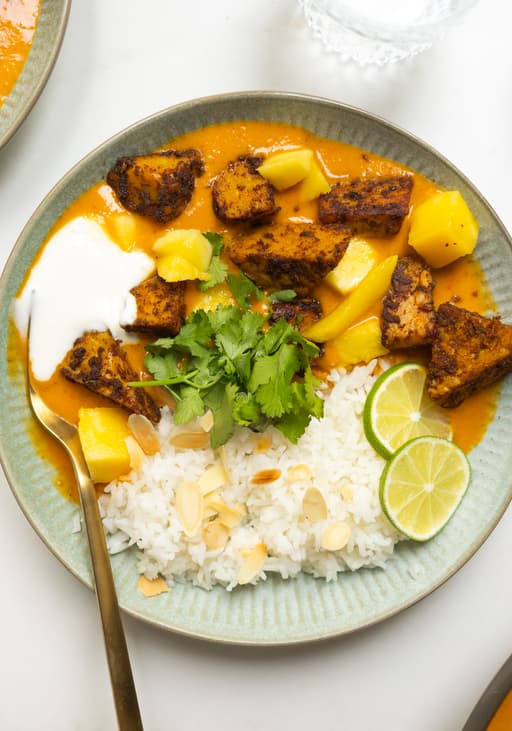
Vegan Mango Curry with Tempeh
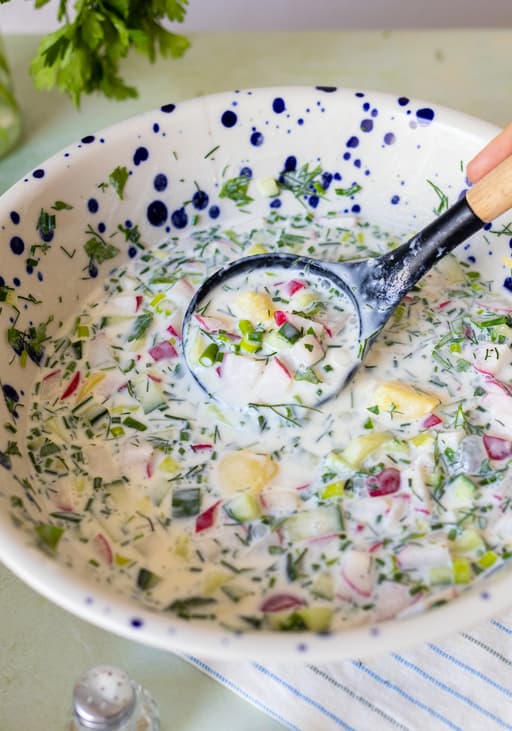
Vegane Okroshka (Cold Russian Soup)
Ad
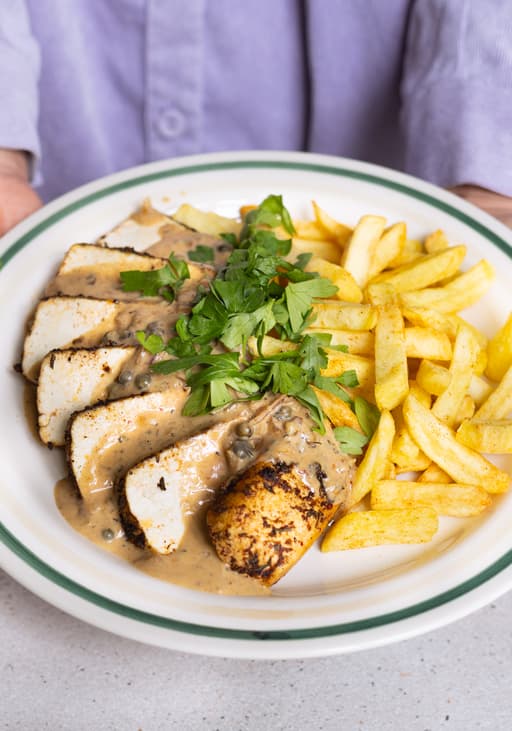
Tofu Steak frites in Pepper Sauce
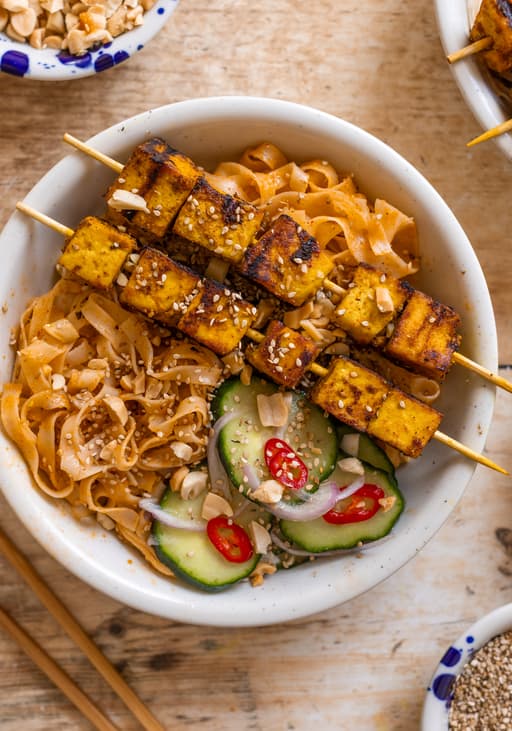
Tofu Satay Skewers with Rice Noodles and Quick Pickles
Ad
Vegan Pasta Salad with Mayo Dressing
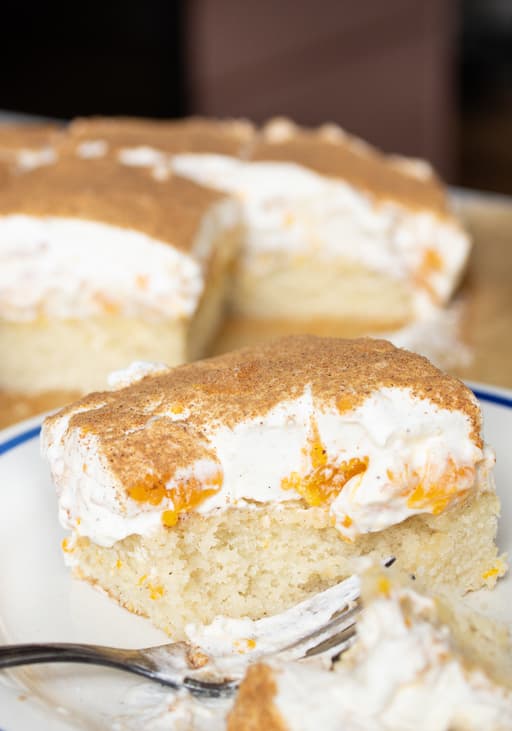
Vegan Fanta Cake with Sour Cream and Mandarin Cream
Ad
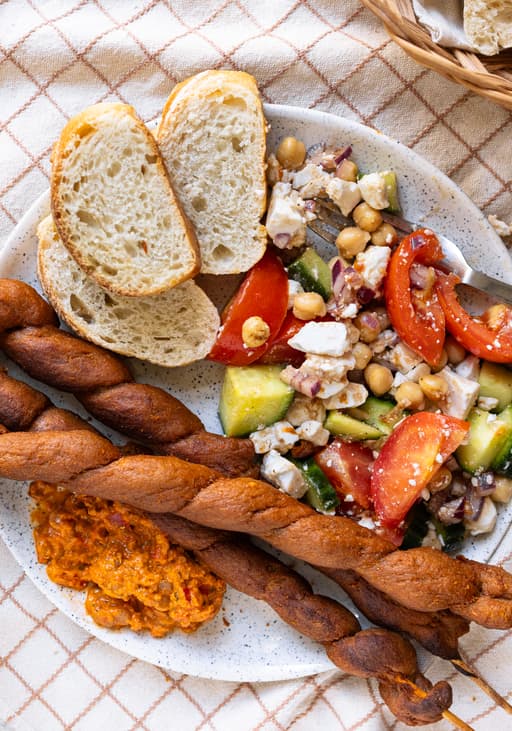
Vegan Grilled Seitan Skewers with Chickpea Salad
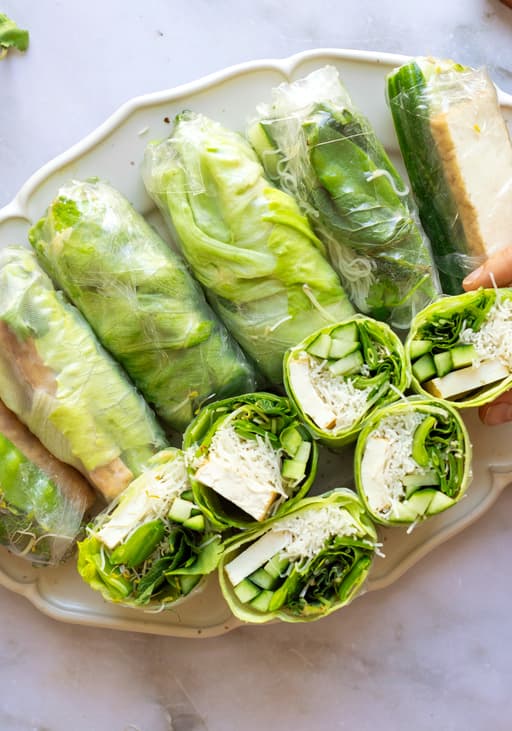
Green Summer Rolls with Sugar Snap Peas and Sesame Dip
Ad
